General background sources
The site is not built as a medical textbook and should not be used as one. When HospitalDaily needs broad context for safe disclaimers, basic terminology, or public-health common sense, these kinds of reputable public resources are the preferred reference lane.
- MedlinePlus Public health information from the U.S. National Library of Medicine. Useful for plain-language awareness of common medical terms and the reminder that real medical questions belong with real professionals. medlineplus.gov
- Centers for Disease Control and Prevention Public health and safety information from the CDC. Useful for general public-health context and emergency-safety awareness. cdc.gov
- National Institutes of Health General biomedical and health information from NIH institutes and public education pages. nih.gov
- World Health Organization International public-health background and emergency-preparedness context. who.int
- U.S. Food and Drug Administration Public information about medicines, devices, safety communications, and consumer health topics. fda.gov
- U.S. Department of Health & Human Services Broad public-health and health-services context. hhs.gov
Comedy and story sources
The story tone comes from broad, familiar hospital-drama archetypes: dramatic hallway walks, urgent pagers, overloaded interns, competent nurses, emotional waiting rooms, cafeteria mysteries, and heroic overreaction to ordinary paperwork. The site does not copy or claim affiliation with any specific television series, studio, network, character, hospital, or medical institution.
Image sources
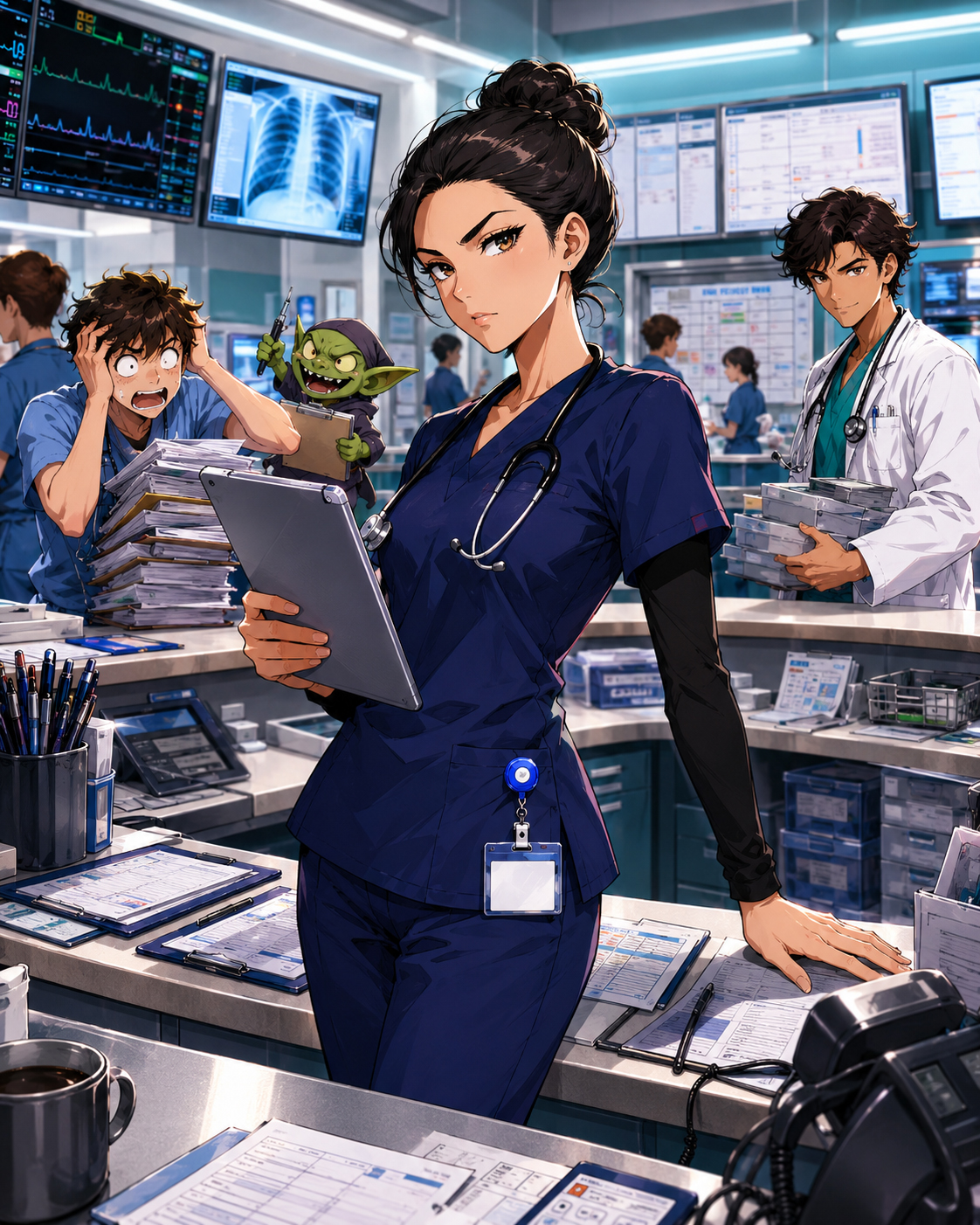
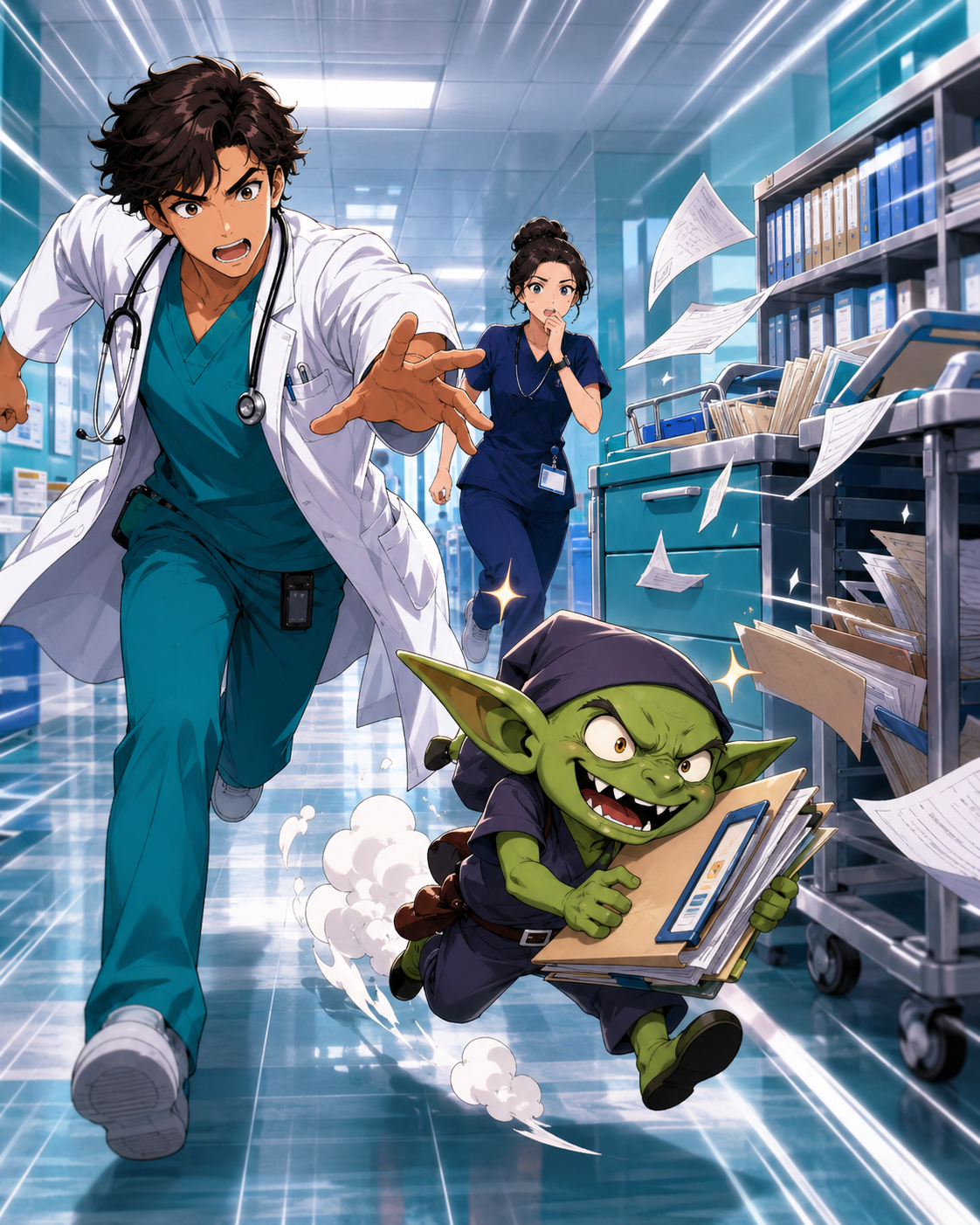
The HospitalDaily image library is original site artwork created for this fictional manga newspaper world. Image filenames used across the site include Dr. Stat, Nurse No-Nonsense, Intern Panic, the Chart Goblin, Madame MRI, Surgeon Supreme, Code Blue Boy, the cafeteria soup mystery, the waiting-room finale, and the dramatic hospital hallway hero image.
Medical-sounding language
HospitalDaily sometimes uses medical-sounding words for jokes, headlines, character names, or fictional dialogue. Those words are not instructions. They are not clinical guidance. They are not intended to diagnose, treat, evaluate, or manage any real condition.
Best source for your health
If you have real symptoms, real test results, real medication questions, real pain, real anxiety, real emergencies, or real health decisions, your source should be a licensed medical professional or local emergency services. Not a goblin. Not a fake newspaper. Not a soup investigation.